 Article Summary
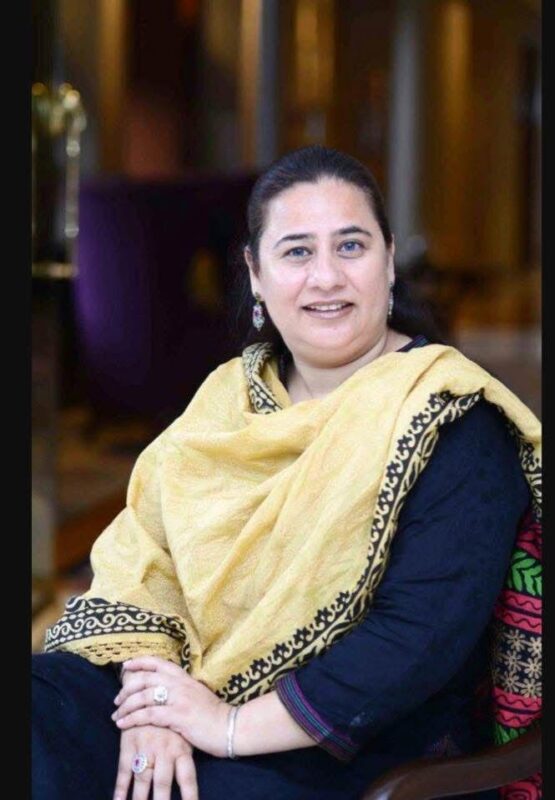
“Leadership is not merely about holding positions but about agency and voice.”— Dr. Shabistan Gaffar
Leadership among Muslim women must be understood beyond formal positions and stereotypes, as it is deeply connected to agency, voice, and participation in decision-making. The article highlights how Muslim women continue to face intersecting social, economic, and structural barriers that limit their visibility and influence in public and community life.
A rights-based and ethical framework is essential to recognising women as active rights-holders rather than passive beneficiaries. Education, equality, and participation are presented as central pillars that strengthen leadership and inclusive governance.
The article also emphasises the role of awareness, dialogue, and evidence-based approaches in challenging restrictive social norms and enabling meaningful engagement. Sustainable leadership emerges when Muslim women are acknowledged as decision-makers and agents of social change, contributing to more just and inclusive societies.
These reflections align with AICWETE’s commitment to bridging research, governance, and grassroots realities through inclusive and ethical leadership perspectives.
Author: Dr. Shabistan Gaffar
Source: Clarion India (News Article)
Read the full article by Dr. Shabistan Gaffar published in Clarion India:
https://clarionindia.net/muslim-womens-leadership-an-ethical-and-rights-based-perspective/
